University of Sheffield 2026
4.png) I wanted to undertake an overseas placement to step out of my comfort zone, understand new perspectives and experience different healthcare settings. I wanted to develop not only my professional skills but also my confidence.
I wanted to undertake an overseas placement to step out of my comfort zone, understand new perspectives and experience different healthcare settings. I wanted to develop not only my professional skills but also my confidence.
One of my friends told me about Work the World, and after looking at the website and chatting on the phone with them, I decided an overseas placement was for me! Having never visited South Asia, the idea of visiting Nepal and experiencing a different culture felt exciting and new. I also looked at several different companies, but Work the World seemed to be the most suitable given the living situation and the amount of support you receive throughout your stay.
My first impressions of the hospital were that it was very different to the UK. Patients queue for long times to see a doctor in the outpatients department, and the wards themselves look very different to the wards in the UK. With this being said, the plastic surgery team were excellent and made me feel very comfortable very quickly. Everyone was very friendly, and the staff on the plastic surgery ward even gave me the opportunity to try different Nepali snacks they had brought to work!
3.png) During my placement, I was offered so many amazing opportunities. Within the plastic surgery team, I was given the chance to scrub into surgeries multiple times. I learnt a lot about skin grafts and flaps, something that isn’t regularly taught to medical students in the UK. On a few occasions, I assisted with wound dressing changes, as well as minor surgeries like finger amputations.
During my placement, I was offered so many amazing opportunities. Within the plastic surgery team, I was given the chance to scrub into surgeries multiple times. I learnt a lot about skin grafts and flaps, something that isn’t regularly taught to medical students in the UK. On a few occasions, I assisted with wound dressing changes, as well as minor surgeries like finger amputations.
Industrial and machinery-related accidents are common in Nepal, so I was able to witness a number of patients who had sustained injuries, including facial injuries from a chainsaw, lacerations from a saw that ultimately led to the amputation of two fingers, and a deep wound from a knife. In the burns department, I saw extensive and full-body second- and third-degree burns, as well as deep pressure sores that required regular debridement and cleaning before a six-hour-long surgery.
%20thumb.jpeg) I also did a week in the emergency department and saw several different ABGs, X-rays and CT scans. Doctors took their time to talk through the findings and explain what this indicated. Finally, in the health outpost, I could practise history taking and examinations, and on vaccine day, I was offered the opportunity to carry out IM injections.
I also did a week in the emergency department and saw several different ABGs, X-rays and CT scans. Doctors took their time to talk through the findings and explain what this indicated. Finally, in the health outpost, I could practise history taking and examinations, and on vaccine day, I was offered the opportunity to carry out IM injections.
During the Village Healthcare Week, I was also taken to visit a man who had lost his feet and some of his fingers due to leprosy. This was particularly interesting because it is not a condition commonly seen in the UK.
Regardless of the speciality you are placed in, you will develop your communication skills and learn to pick up on non-verbal cues when people are speaking in Nepali, although doctors often speak in English.
2.png) In many ways, the healthcare system in Nepal is more efficient. Patients queue up to see their doctor, but they can choose the speciality they see in clinics, so there is no need for a referral. Because there wasn’t an appointment system, it meant that patients were not left waiting for treatment, and as far as I could tell, there was no ‘waitlist’ for surgery – the patient showed up to the hospital, had the surgery, and then, when the doctors were happy, they could go home again.
In many ways, the healthcare system in Nepal is more efficient. Patients queue up to see their doctor, but they can choose the speciality they see in clinics, so there is no need for a referral. Because there wasn’t an appointment system, it meant that patients were not left waiting for treatment, and as far as I could tell, there was no ‘waitlist’ for surgery – the patient showed up to the hospital, had the surgery, and then, when the doctors were happy, they could go home again.
The main difference I saw was that, because patients pay for medication and surgery, they often have to go to the pharmacy to buy the items. The hospital will also refuse to carry out any surgery unless the patient’s family has already paid. Family members are also very heavily involved in care and will often stay in the hospital throughout the patient’s stay.
1.png) Evenings were often spent gathered in the living room, enjoying movie nights and staying up late chatting together. On the weekends, we travelled to Pokhara to celebrate Holi, where the atmosphere was filled with colour, energy, and excitement, as well as taking in the city’s stunning natural beauty.
Evenings were often spent gathered in the living room, enjoying movie nights and staying up late chatting together. On the weekends, we travelled to Pokhara to celebrate Holi, where the atmosphere was filled with colour, energy, and excitement, as well as taking in the city’s stunning natural beauty.
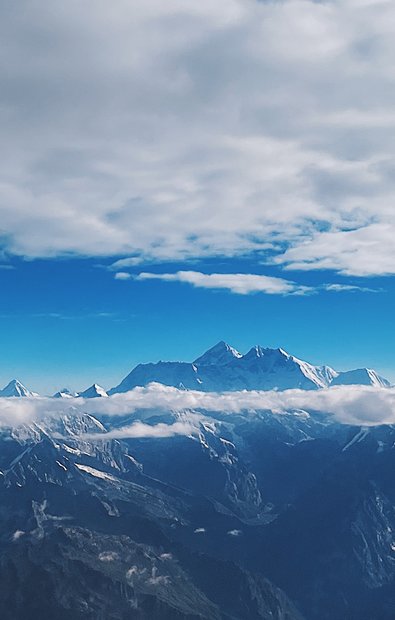
We also made the most of our time exploring Kathmandu, visiting iconic sites such as the Swayambhunath (the “Monkey Temple”), Patan Durbar Square, and the Chandragiri Cable Car, each offering something unique - from cultural history to breathtaking views. Of course, no visit would be complete without spending time in Thamel, browsing its lively shops and soaking up the vibrant atmosphere.
To anyone considering doing a Work the World placement, I cannot recommend it enough; the support from the team is excellent. They are experts in overseas placements and will be able to support you every step of the way. You will make so many memories that will stick with you for life, and get to experience lots of new and exciting things. I would of course recommend coming to Nepal for your placement, especially the village week, for a true Nepali experience!
Start Your Journey
Want to go on your own once-in-a-lifetime adventure? Get started below:
Want to go on your own once-in-a-lifetime adventure? Get started below:
%20Thumbnail%20Image.png)